
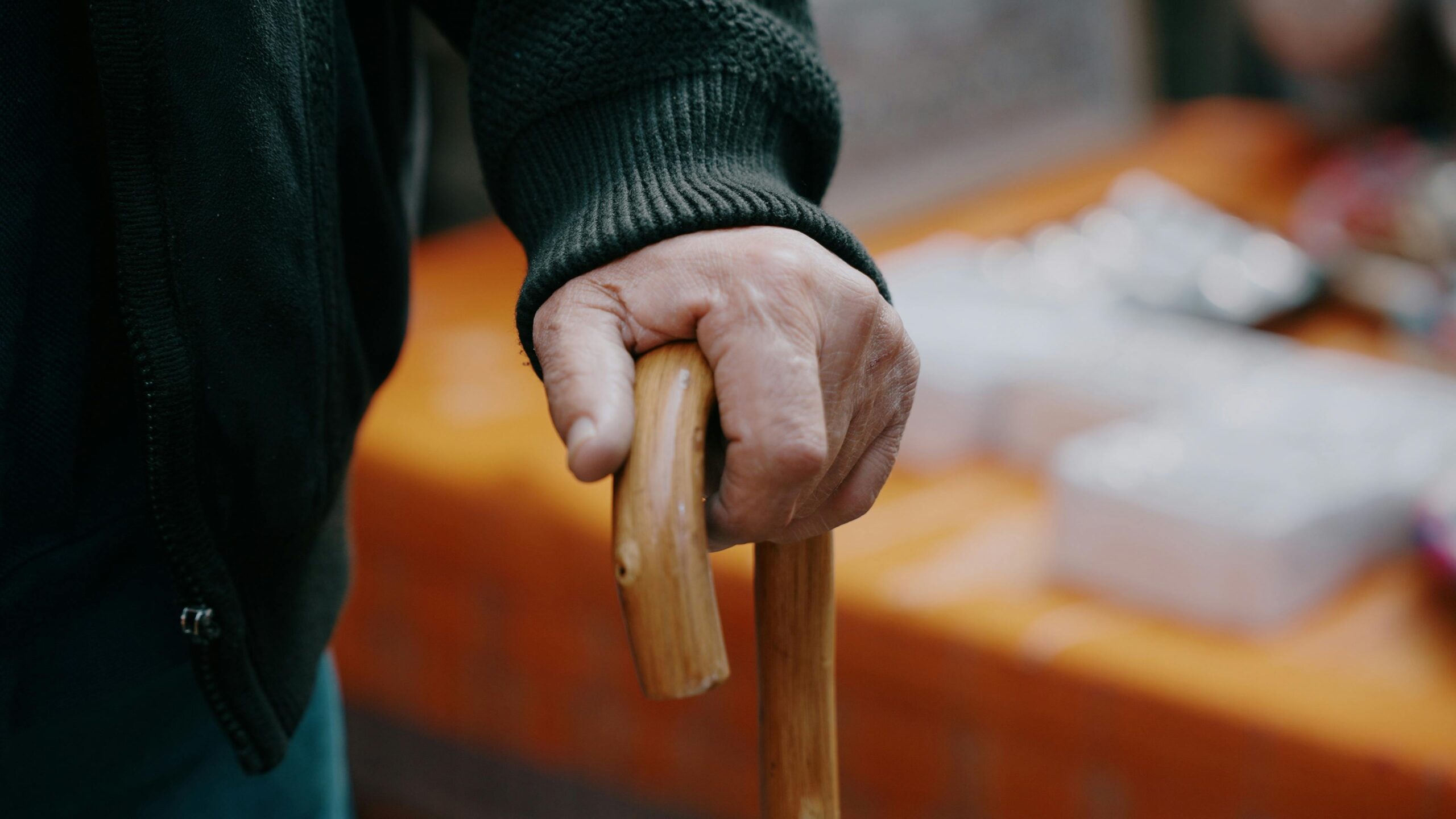
Acupuncture is generally considered low risk for older people when it’s provided by a registered acupuncturist who knows the person’s health history. Most side effects are minor, such as slight bruising or feeling tired afterwards. A few things need checking first: blood-thinning medication, fragile skin, diabetes, implanted devices such as pacemakers, and whether the person can understand and agree to treatment.
Who this is for
- Adult children considering acupuncture for a parent
- Carers and care partners
- Older readers wondering whether acupuncture is suitable for them
When this question usually comes up
Often when a parent is dealing with ongoing pain or stiffness, is already on several medications, and the family is looking for something gentle that doesn’t add another tablet. It’s sensible to ask about safety first.
What to check before the first appointment
Medications
Make a list of all current medications, including blood thinners such as warfarin, apixaban or rivaroxaban, and aspirin. People on blood thinners can usually still have acupuncture, but the practitioner may choose fewer needles, gentler technique, or avoid certain areas, and will watch more closely for bruising.
Skin and healing
Older skin can be thinner and slower to heal. Anthony avoids areas with broken skin, ulcers, rashes or swelling, and takes extra care with people who have diabetes or poor circulation in the legs and feet.
Implanted devices
Pacemakers and some other implanted devices mean electro-acupuncture (acupuncture with a mild electrical current) isn’t used. Standard acupuncture can usually still be considered.
Memory and consent
If a person has dementia or is easily confused, it’s important that they’re comfortable with treatment on the day. Having a familiar family member or carer present helps. If someone becomes distressed, the appointment can be shortened or stopped.
Recent falls, surgery or hospital stays
Let Anthony know about any recent falls, surgery or admissions. Some of these mean seeing the GP before starting acupuncture.
How acupuncture may help
For older people, acupuncture is most often used to help with symptoms such as ongoing back, neck, shoulder or knee pain, stiffness, muscle tension and disturbed sleep. It’s used alongside medical care. The goals are usually practical: getting out of a chair more easily, walking further, or sleeping better. Results vary, and Anthony will be honest about what’s realistic.
What a home visit usually involves
Treatment at home means there’s no travel or waiting room. For frail people, treatment can be given in an armchair or in bed rather than on a table. Fewer needles and shorter sessions are often used at first. Anthony brings single-use sterile needles and disposes of them safely. A first appointment takes about 60 minutes and follow-ups about 45. See what happens during a home visit.
When to seek medical review as well
Speak to the GP before acupuncture if there’s:
- new, severe or unexplained pain
- pain after a fall, or a suspected fracture
- sudden weakness, confusion or changes in speech (call 000)
- fever, or a hot, swollen joint
- unexplained weight loss
Frequently asked questions
Is acupuncture safe with blood thinners?
Usually, yes, with precautions. Tell your acupuncturist exactly which medication is being taken, and check with the GP if you’re unsure.
Does it hurt more for older people?
Not usually. The needles are very fine, and Anthony adjusts the technique to the person. Most people feel a light tap or a dull ache, then very little.
Can someone with dementia have acupuncture?
Sometimes. It depends on whether the person is comfortable and can take part. A short, calm first visit with a family member present is a good way to find out.
Will it interact with medications?
Acupuncture itself doesn’t interact with medications in the way another tablet might. That’s one reason families consider it. Always keep the GP informed.
What side effects are common?
Mild bruising, slight soreness where a needle was placed, or feeling tired or relaxed afterwards. Serious side effects are rare when a registered practitioner provides treatment.
Talk to Anthony
If you’d like to talk through whether acupuncture is suitable for your parent, call or text Anthony on 0450 790 038. You can also read more about aged care acupuncture at home.