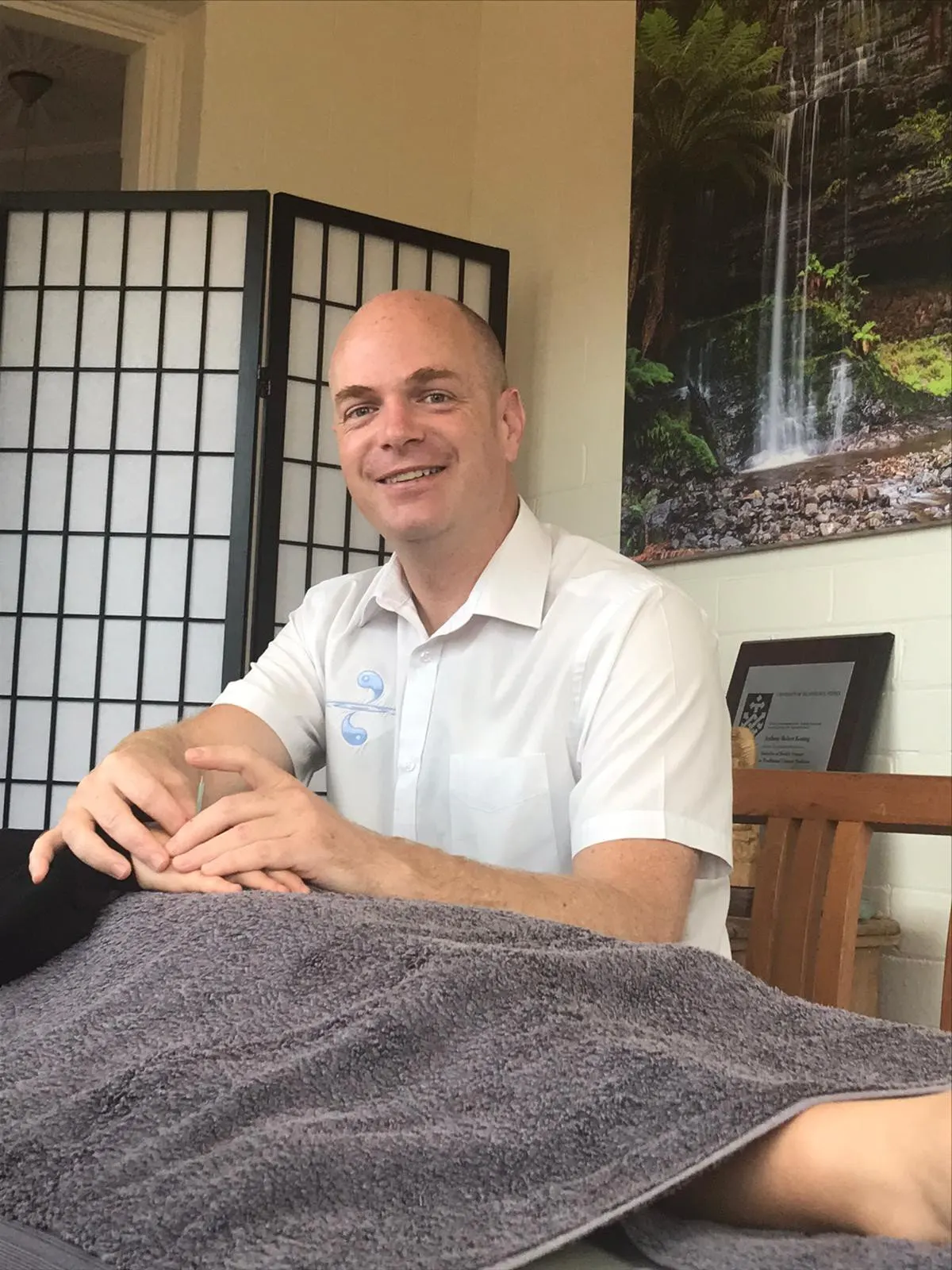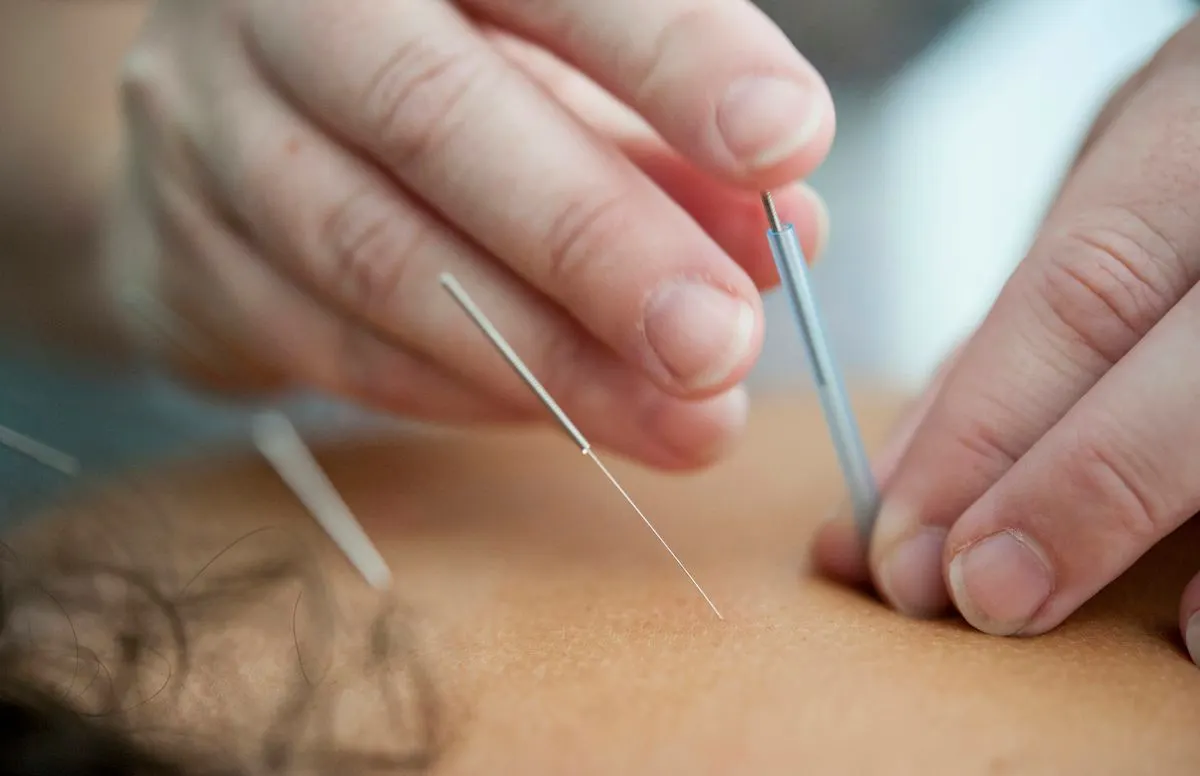

If someone can’t easily leave home because of illness, recovery or palliative care, acupuncture can come to them. Treatment can be given in bed or a favourite chair, it is adapted to how they feel on the day, and it often focuses on comfort: easing pain, tension, restlessness and poor sleep. It works alongside the person’s medical and palliative care team, not instead of them.
Who this is for
-
People who are housebound after surgery, illness or a hospital stay
-
People living with advanced illness who prefer to stay at home
-
Families and carers of someone receiving palliative care at home
-
Palliative care and aged care coordinators
When this question usually comes up
Often after a hospital stay, when travel becomes too tiring, or when a family is looking for gentle, comfort-focused support alongside medical care at home.
What changes when treatment is comfort-focused
-
Shorter, gentler sessions. Fewer needles, and treatment that can be stopped at any time.
-
Positioning for comfort. In bed, propped with pillows, or seated, with no need to move to a table.
-
Flexibility. Plans change depending on how the person feels on the day.
-
Family involvement. Carers and family members are welcome to stay.
How acupuncture may help
For people who are housebound or receiving palliative care, acupuncture is often used to help with pain, muscle tension, anxiety, restlessness, nausea and poor sleep. A cancer care guideline from the Society for Integrative Oncology and ASCO says acupuncture may be offered for general cancer pain (SIO-ASCO guideline summary). Many families value the calm, unhurried time as much as the treatment itself. Results vary, and Anthony will be honest about what’s realistic.
Anthony’s approach to supportive care is shaped by his postgraduate oncology acupuncture training and by caring for his late wife through cancer treatment. You can read his story on the Oncology Support page.
Support at Home and the End-of-Life Pathway
For older people, Support at Home includes an End-of-Life Pathway, alongside its other short-term pathways (Department of Health). Acupuncture is on the Support at Home service list. There is potential for Anthony to be onboarded as an associate provider with the person’s Support at Home provider, and families can make that request through the care manager. Read Can Support at Home Funding Be Used for Acupuncture?
What a home visit usually involves
Anthony brings everything needed, including single-use sterile needles. Before the first treatment, he’ll talk with the person and family about their health, medications, goals and any guidance from the medical team. Sessions are usually shorter for frail people. Read what happens during a home visit.
When to seek medical review as well
Contact the GP, palliative care team or treating team about:
-
new or rapidly worsening pain
-
fever or signs of infection
-
new confusion or agitation
-
breathing difficulty (call 000 if severe)
-
any change that worries you
Frequently asked questions
Is acupuncture safe for someone who is very frail?
It can be, with gentle technique and fewer needles. Anthony will check medications, blood counts if relevant, and skin condition first.
Should the palliative care team know?
Yes. Let them know, so care stays coordinated.
What if my family member is too tired on the day?
The session can be shortened, adapted or rescheduled. Comfort comes first.
Can treatment be given in a hospital bed at home?
Yes. Treatment can be given in any bed or chair.
Talk to Anthony
To talk about gentle, in-home acupuncture for a family member, call or text Anthony on 0450 790 038.