Acupuncture may help ease ongoing (chronic) low back pain, and several clinical guidelines include it as an option. The American College of Physicians lists it among the non-drug treatments to try first for chronic low back pain (ACP guideline). It works best alongside staying active. Having treatment at home means you don’t have to sit in a car when sitting is what hurts.
Who this is for
-
People with low back pain that has lasted more than three months
-
People whose back pain gets worse with sitting or driving
-
Older adults with stiffness that limits walking or getting out of a chair
-
People who would rather avoid relying on pain medication alone
When this issue usually comes up
Most new back pain improves within a few weeks. When it lingers, or keeps coming back, people start looking for other options. Often it’s worse in the morning, after sitting, or at the end of a long day.
What the evidence says
Guidelines don’t all agree. A review by the Australian Commission on Safety and Quality in Health Care found that seven of ten guidelines it looked at recommend acupuncture for low back pain, two recommend against it, and one found insufficient evidence (Australian Commission review). An article in the RACGP’s journal for GPs notes some evidence that acupuncture may improve pain and function in chronic low back pain, while pointing out limitations in the studies (RACGP).
In plain terms: acupuncture is a reasonable option to try for ongoing back pain, as part of a wider plan that includes staying active.
How acupuncture may help
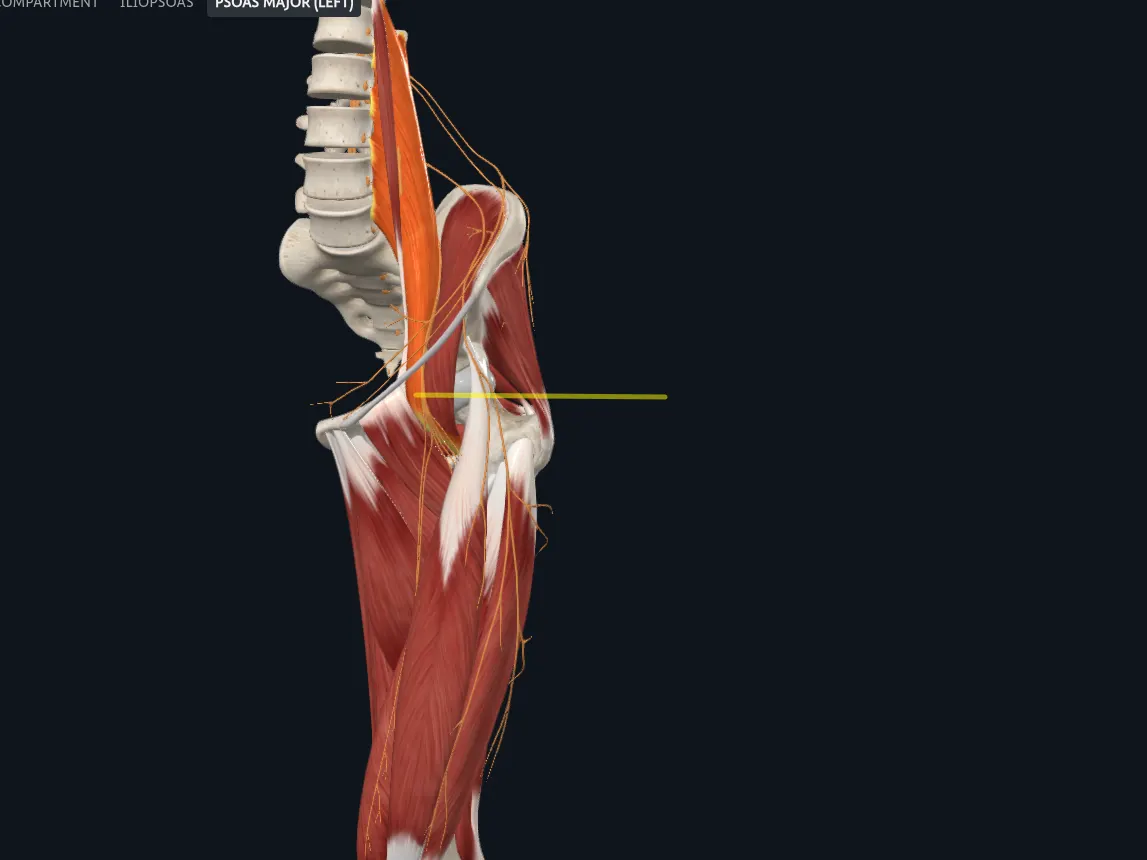
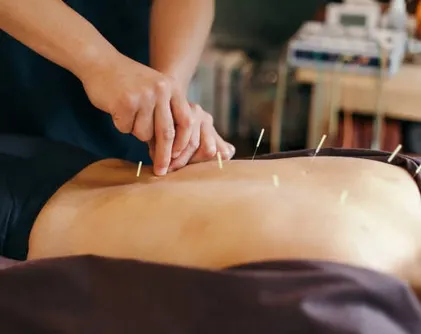
Treatment usually involves fine needles in the lower back, hips and legs. It may target tight, tender spots in the muscles, and sometimes uses gentle electro-acupuncture. The aims are to ease pain and muscle tension, so it’s easier to move, walk and sleep. For back pain linked to a tight hip flexor, see Electro-Acupuncture for a Tight Psoas and Hip Flexors.
Anthony will usually suggest a short course of treatment, then a review of progress, along with simple movements to do between sessions. The RACGP article suggests people seeing a Chinese medicine practitioner for back pain have a planned review with their GP after 6 weeks (RACGP).
What a home visit usually involves
Anthony brings a portable treatment table. If lying face-down is uncomfortable, treatment can be given lying on your side or seated. The first visit takes about 60 minutes, including questions about your back history and a check of how you move. Follow-ups take about 45 minutes. Read what happens during a home visit.
When to seek medical review as well
See a doctor before acupuncture if back pain comes with:
-
numbness around the groin or buttocks, or changes in bladder or bowel control (seek urgent care)
-
weakness in a leg, or pain spreading down the leg that is getting worse
-
fever, or feeling generally unwell
-
a history of cancer, or unexplained weight loss
-
a recent fall or injury, especially if you have osteoporosis
-
severe pain at night that doesn’t ease with rest
Frequently asked questions
How many sessions will I need?
It varies. Studies have used anything from a few sessions to around 20. Anthony will suggest a plan and review it with you.
Should I rest my back between sessions?
Usually not. Staying active, within comfortable limits, generally helps back pain recover.
Can I have acupuncture if I have sciatica?
Often, yes. Get a medical review if leg pain is severe, worsening, or comes with numbness or weakness.
Is it safe for older people?
Generally, yes, with sensible precautions. Read Is Acupuncture Safe for Older People?
Talk to Anthony
If ongoing back pain is limiting your day, call or text Anthony on 0450 790 038 to talk about a home visit.