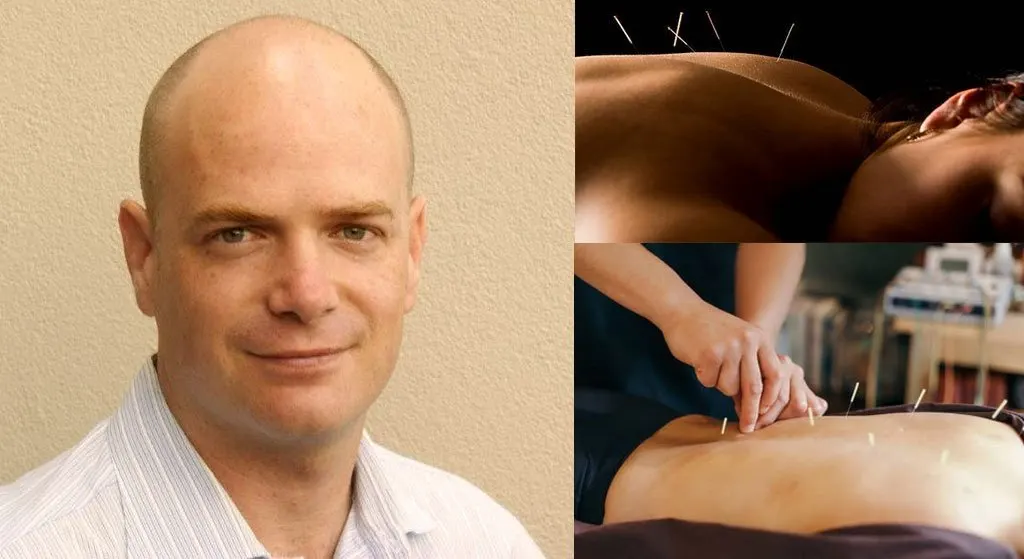
Electro-acupuncture is acupuncture with a mild electrical current passed between pairs of needles, using a small battery-powered unit. It feels like a gentle pulsing or tapping, and the strength is adjusted to what’s comfortable for you. It’s often used for muscle tension and pain, and some practitioners also use it for relaxation. It isn’t suitable for everyone: it isn’t used for people with a pacemaker or other implanted electrical device.
Who this is for
-
People whose acupuncturist has suggested electro-acupuncture
-
People with muscle tightness or ongoing pain that hasn’t eased with standard acupuncture
-
People curious about the vagus nerve and relaxation-focused treatment
When this question usually comes up
Usually when electro-acupuncture is mentioned during an appointment, or after reading about it online.
How it works
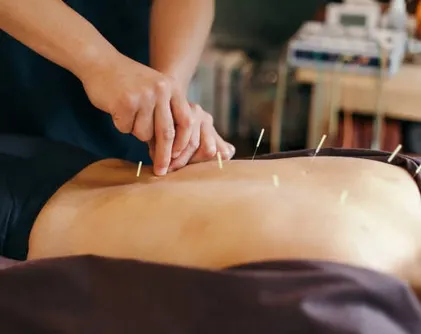
Fine acupuncture needles are placed as usual. Small clips connect selected needles to the electro-acupuncture unit. A low-level current passes between them for around 15 to 30 minutes. The frequency and intensity can be changed depending on the aim of treatment.
What it feels like
Most people describe a gentle, rhythmic pulsing, tapping or buzzing. Muscles near the needles may twitch slightly. It shouldn’t be painful. If it feels too strong, the intensity is turned down straight away.
How acupuncture may help
Electro-acupuncture is commonly used to help with:
-
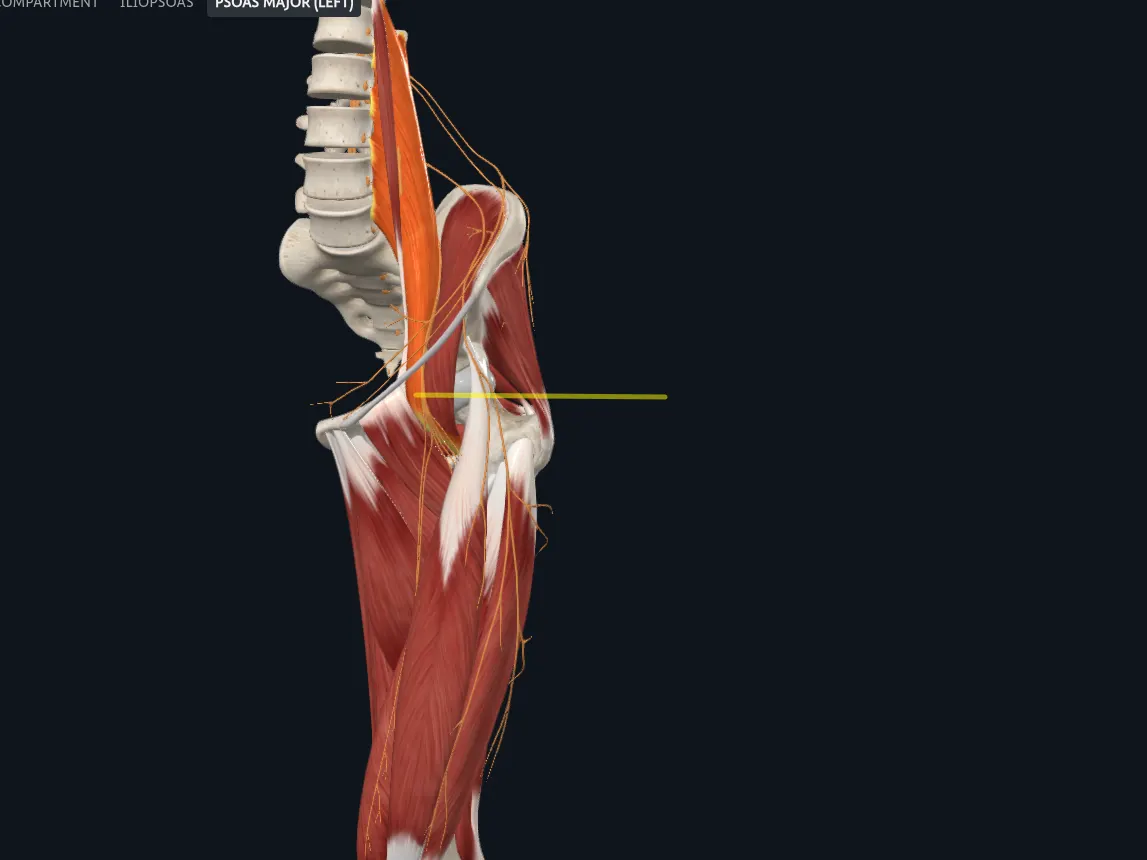
muscle tightness, for example in the hip flexors or lower back
-
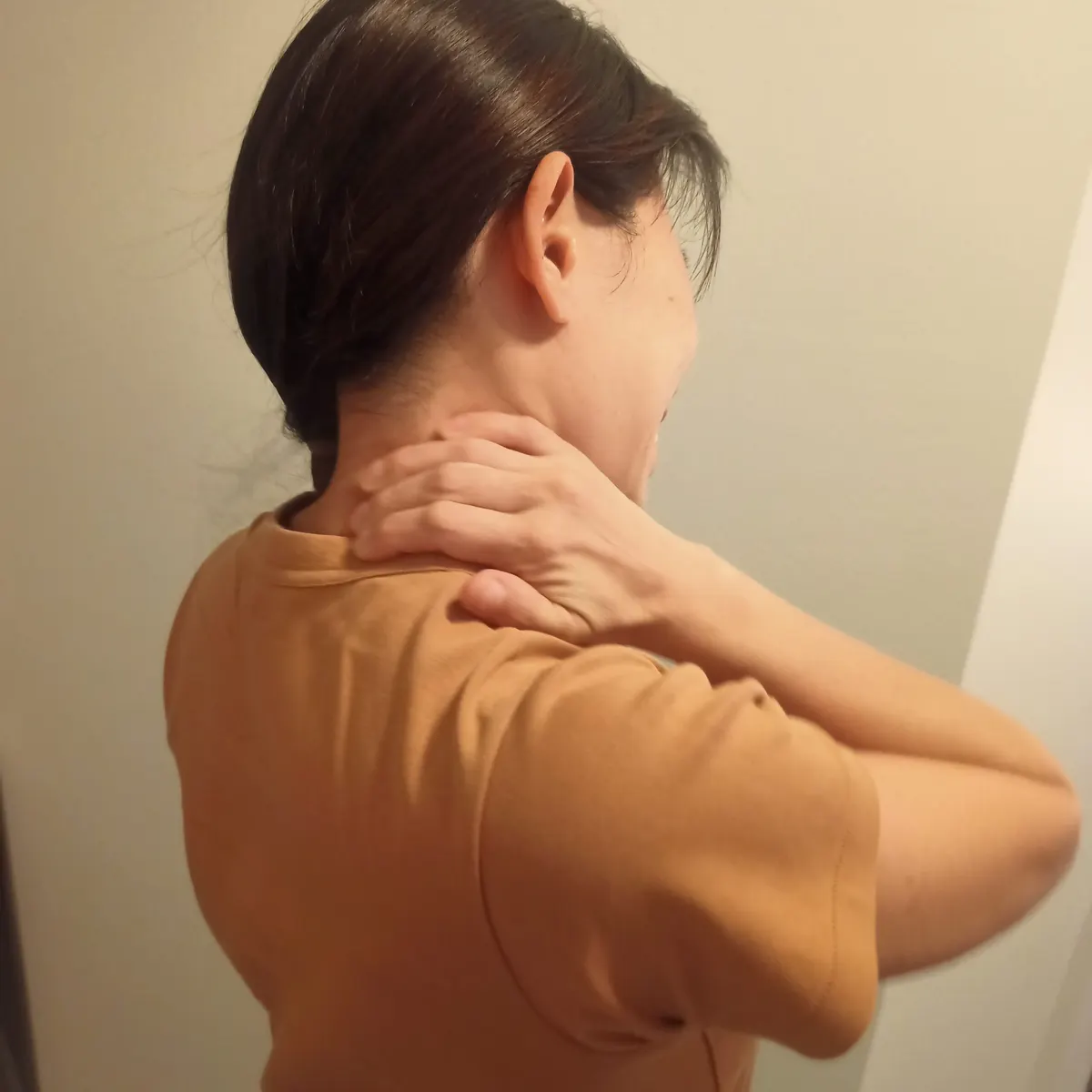
ongoing musculoskeletal pain
-
nerve symptoms after chemotherapy
-
relaxation
Some research suggests electro-acupuncture may help with certain types of pain. Results vary. You can read more about specific uses in Electro-Acupuncture for a Tight Psoas and Hip Flexors and Access to Vagus Nerve Stimulation in Sydney.
Who should avoid it
Electro-acupuncture isn’t used:
-
for people with a pacemaker, defibrillator or other implanted electrical device
-
over the abdomen or lower back during pregnancy
-
over broken skin, infection or areas of numbness where you can’t feel the stimulation
-
across the chest or head
Tell Anthony if you have epilepsy, a heart condition, a bleeding disorder or take blood thinners, so he can decide whether it’s suitable.
What a home visit usually involves
Anthony brings the electro-acupuncture unit to your home, along with everything else needed. Treatment can be given on a portable table, in an armchair or in bed. Read what happens during a home visit.
When to seek medical review as well
See your GP before treatment if you have new, severe or unexplained pain, numbness or weakness. After treatment, contact your GP if a needle site becomes red, hot or swollen.
Frequently asked questions
Is electro-acupuncture the same as a TENS machine?
They’re related. TENS uses pads on the skin. Electro-acupuncture sends the current through acupuncture needles, so it reaches more precise points.
Is it stronger than normal acupuncture?
It’s different rather than stronger. The intensity is always adjusted to your comfort.
Can older people have electro-acupuncture?
Often, yes, if they don’t have an implanted device and can feel and report the sensation clearly.
How often is it used?
It depends on the reason for treatment. It’s often used alongside standard acupuncture rather than at every session.
Talk to Anthony
To ask whether electro-acupuncture may suit you, call or text Anthony on 0450 790 038.