
Acupuncture may help ease some symptoms of chemotherapy-induced peripheral neuropathy, such as tingling, numbness and nerve pain in the hands and feet, particularly once chemotherapy has finished. The research is promising but still developing. It works best as part of care planned with your oncology team, not instead of it. Home visits can make regular sessions easier when treatment has left you tired.
Who this is for
-
People with tingling, numbness, burning or pain in the hands or feet after chemotherapy
-
People still having chemotherapy who are starting to notice nerve symptoms
-
Partners and family members supporting someone through cancer treatment
When this issue usually comes up
Some chemotherapy drugs can affect the nerves in the hands and feet. This is called chemotherapy-induced peripheral neuropathy, or CIPN. It can begin during treatment or some time after it ends. Common symptoms include tingling, numbness, sensitivity to hot or cold, burning or shooting pain, and problems with balance. For some people it settles over months. For others it lasts much longer.
What the evidence says
The American Society of Clinical Oncology (ASCO) recommends the medication duloxetine for painful CIPN. It notes preliminary evidence that acupuncture, exercise and scrambler therapy may help, while saying larger studies are needed (ASCO guideline). An ASCO trial cited in the guideline found that acupuncture twice a week for 8 weeks improved pain and quality of life compared with a wait-list group, with no serious side effects (ASCO guideline).
A 2025 review of CIPN treatments concluded that acupuncture or electro-acupuncture may help pain and sensory symptoms after chemotherapy has finished. It noted that benefits may take 8 to 10 weeks of regular sessions to appear (Frontiers in Pain Research). An earlier study is available on PubMed.
In plain terms: acupuncture is a reasonable option to discuss with your oncology team, but it isn’t guaranteed to work and results vary.
How acupuncture may help
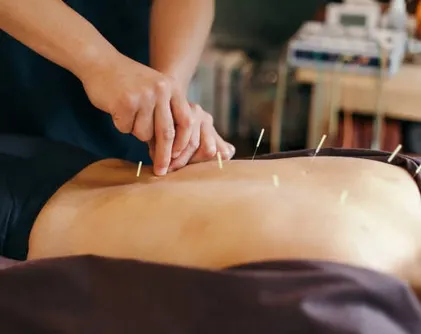
Treatment usually uses fine needles in the hands, feet, arms and legs, sometimes with gentle electrical stimulation (electro-acupuncture). The aim is to reduce discomfort and help with everyday activities, such as walking, sleeping and handling small objects. Anthony usually suggests a set course of treatment, then a review of how it’s going.
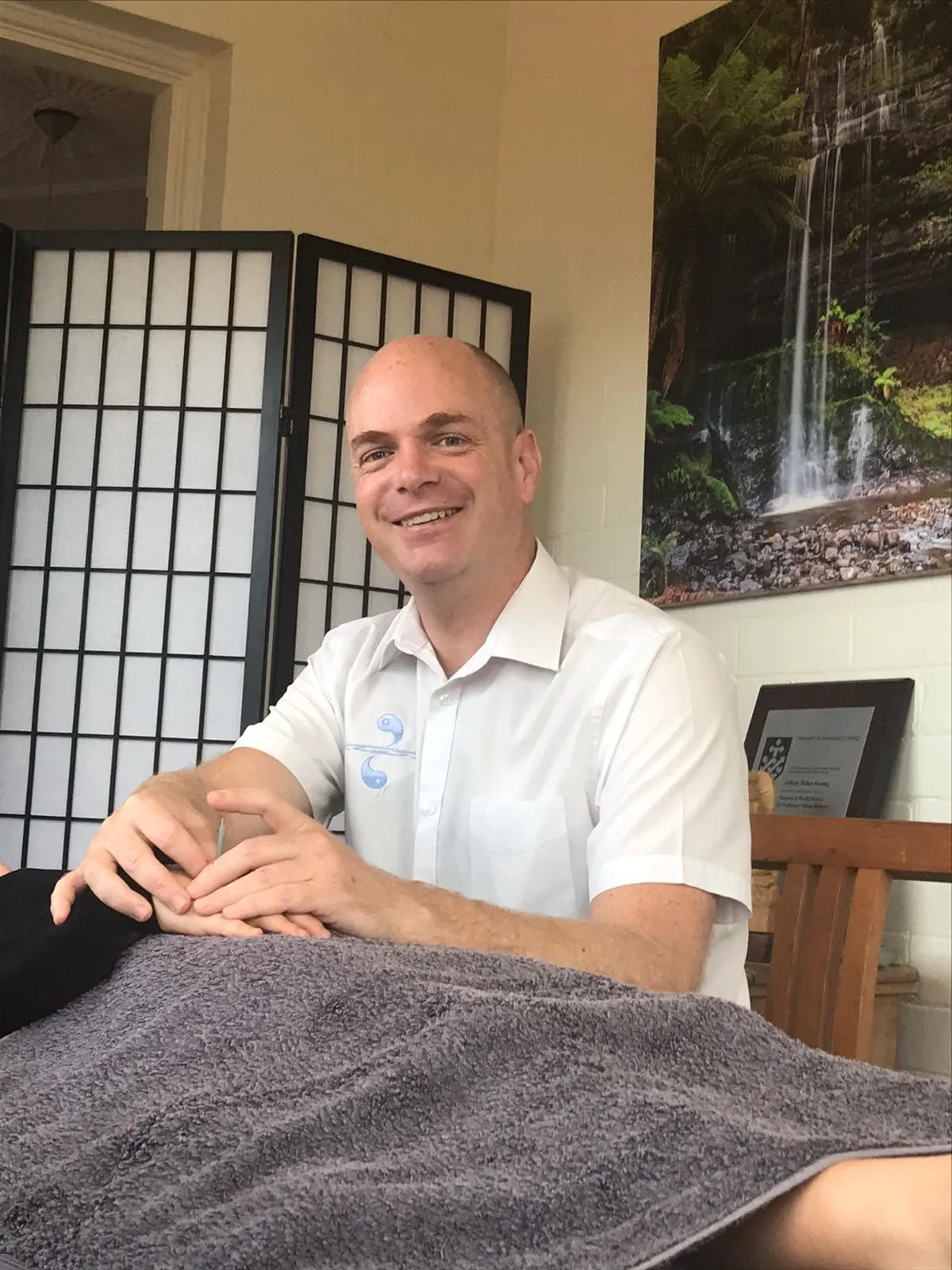
Anthony completed postgraduate training in oncology acupuncture at the Mater Hospital in Sydney in 2019. He has supported people through cancer treatment for many years, and also has personal experience of caring for a family member through cancer, which he shares on the Oncology Support page.
What a home visit usually involves
Anthony comes to you, so there’s no travel between hospital appointments. The first visit takes about 60 minutes, including a conversation about your treatment history, current symptoms and blood test results if you have them. Follow-ups take about 45 minutes. Treatment can be given on a table, in an armchair or in bed. Read more about home-visit acupuncture.
When to seek medical review as well
Tell your oncology team about new or worsening nerve symptoms. They may want to adjust your treatment. Seek urgent medical advice if you have:
-
sudden weakness, or difficulty walking
-
a fever during chemotherapy
-
loss of bladder or bowel control
-
a fall, or new injuries to your feet that you can’t feel properly
Frequently asked questions
Can I have acupuncture while I’m still having chemotherapy?
Often, yes, but timing matters. Anthony will ask about your treatment schedule and blood counts. It’s important to tell your oncology team you’re having acupuncture.
How many sessions will I need?
Studies have often used weekly or twice-weekly sessions over about 8 to 10 weeks. Anthony will suggest a plan and review progress with you.
Is acupuncture safe if my blood counts are low?
It may need to be postponed or adjusted. Bring your latest blood results, or check with your treating team.
Will it fix the nerve damage?
There’s no proven way to reverse CIPN. Acupuncture may help ease symptoms for some people. Anthony will be clear about what’s realistic.
Talk to Anthony
To talk about whether acupuncture may help with nerve symptoms after chemotherapy, call or text Anthony on 0450 790 038. You can also read about oncology support at home.
Anthony Keating, registered acupuncturist, B.H.Sc. (TCM), UTS